Why You Should Try a Hot Dog in Pueblo CO

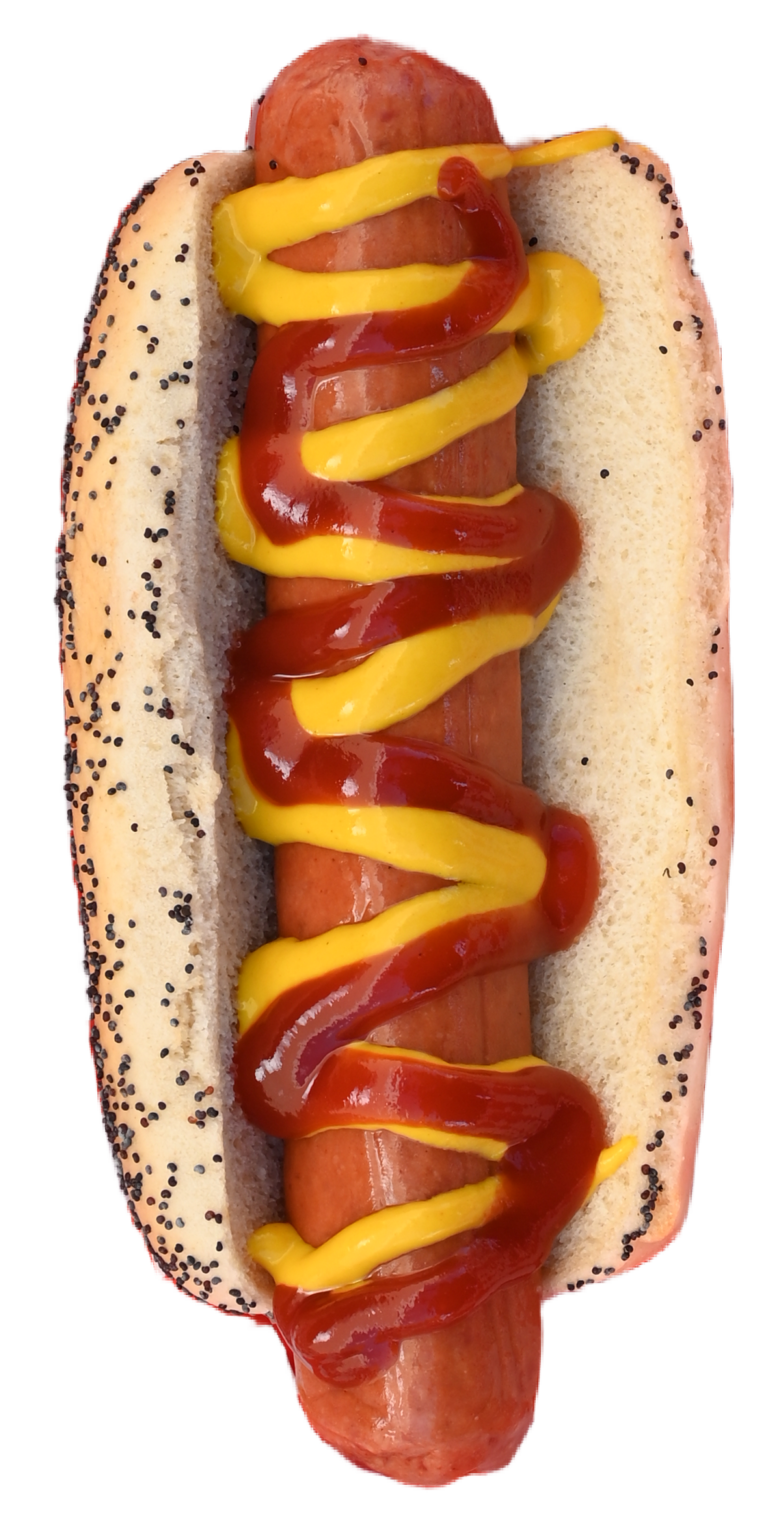

Some foods earn their reputation because they are expensive, rare, or technically impressive. A hot dog is none of those things, which is exactly why it matters. When a town can make something as simple as a hot dog memorable, that tells you a lot about the local food culture. Pueblo, Colorado does that better than many people expect.
If you have never gone looking for a hot dog in Pueblo CO, it is easy to assume you already know the experience. Bun, dog, mustard, maybe onions, and move on with your day. Pueblo does not always work that way. This is a city with a serious affection for bold, unfussy food. It values flavor over polish, personality over trend, and local ingredients over gimmicks. That attitude shows up all over town, from neighborhood grills to longstanding family-run spots. It also shows up in the way people talk about Pueblo chile, comfort food, and the dishes they grew up with.
A good hot dog in Pueblo can be quick, inexpensive, and portable. It can also carry a surprising amount of local identity. That is why it is worth seeking out, whether you live nearby, are passing through southern Colorado, or simply want to understand what this city tastes like beyond the usual travel clichés.
Pueblo understands the value of straightforward food
Pueblo has never struck me as a place that needs to overexplain itself. The best meals there often feel direct. You taste what is in front of you, and if it is good, you know it immediately. A hot dog fits that local sensibility perfectly.
There is no hiding behind complexity with a hot dog. The bun can be too dry. The dog can be bland. The toppings can overwhelm everything or add nothing. Even the temperature matters more than people think. A well-made hot dog asks for attention to small details, and places that care about food tend to get those details right. In Pueblo, where working-class food traditions still hold real weight, that care tends to show.
That matters because many regional food scenes become so preoccupied with signature dishes that they forget the everyday standards. Pueblo has its famous specialties, and rightly so, but a city’s real food character often reveals itself in what people eat casually. Lunch on the go. A stop after a game. Something hot and satisfying without ceremony. The humble hot dog belongs to that category, and in Pueblo it can be much more than an afterthought.
The Pueblo chile factor changes everything
It is impossible to talk seriously about food in Pueblo without talking about chile. Not just any chile, but the deeply rooted local pride surrounding Pueblo chile peppers. Their flavor can bring sweetness, heat, smokiness, and a little earthiness depending on variety, roast, and preparation. Put that on a hot dog and suddenly you are not having generic ballpark fare anymore.
This is where Pueblo distinguishes itself. A hot dog in another town might lean on chili, kraut, relish, or cheese sauce. In Pueblo, there is a real chance the best version you find will hot dog Pueblo CO carry the flavor of roasted green chile or a chile-forward topping that reflects the city’s broader cooking traditions. The result is richer and more place-specific.
The beauty of chile on a hot dog is that it improves the whole structure rather than just adding heat. A dog has salt and fat. The bun brings softness and a mild sweetness. Chile contributes aroma, texture, and a fresher kind of intensity than bottled condiments can offer. When that balance lands, every bite tastes grounded in southern Colorado.
There is also an emotional piece to it. In Pueblo, chile is not a novelty ingredient. It is part of family cooking, local agriculture, and neighborhood identity. When it appears on a hot dog, it does not feel like a chef trying to make comfort food “elevated.” It feels normal in the best possible way, like the town decided long ago that this combination made sense and kept eating it because it works.
A small meal that carries real local character
People often travel in search of iconic dishes and miss the foods that locals actually return to every week. Hot dogs belong to that second category. They are practical, familiar, and easy to underestimate. In Pueblo, that understatement is part of their charm.
One reason a hot dog in Pueblo CO stands out is that it often reflects the same instincts found in the city’s better-known comfort foods. There is usually a preference for robust seasoning, hearty portions, and toppings that matter. You can see a similar logic in how Pueblo handles smothered dishes, grilled meats, and chile-based preparations. The food is rarely timid. Even simple things are allowed to have personality.
I have always thought that says more about a place than a polished tasting menu does. A city reveals itself through the food people trust when they are hungry, busy, and not trying to impress anyone. Pueblo’s approach tends to be generous, flavorful, and rooted in habit rather than hype. That is exactly the environment where a hot dog can overdeliver.
It is one of the easiest ways to taste Pueblo without overcommitting
Not everyone wants a giant plate in the middle of the afternoon. Not every traveler has time for a long sit-down meal. Sometimes you want something that lets you sample local flavor without derailing the rest of your day. A hot dog does that beautifully.
It is low risk in the best sense. You are not spending much. You do not need a formal plan. You can eat one and keep moving, or pair it with fries, chips, or a drink and make a meal of it. If you are exploring downtown, heading to a local event, driving through on I-25, or trying to fit lunch between appointments, a hot dog is efficient.
That efficiency matters even more for visitors who are curious about Pueblo’s food identity but are unsure where to start. Some regional specialties can feel heavy, especially in warm weather or during a packed travel day. A hot dog gives you a more compact entry point. If it comes dressed with chile, onions, mustard, cheese, or a local twist, you get a real sense of the town’s palate in a format almost anyone understands.
The best versions get the basics right
For all the talk about toppings, a great hot dog still depends on execution. Pueblo earns points when it respects the fundamentals.
The bun should support the fillings without disintegrating halfway through. That sounds obvious, but it is where many places fail. A soft bun with enough structure to hold up under moisture is ideal, especially if chile or sauce enters the picture. The dog itself should have a clean snap or at least a satisfying firmness, not the mushy texture that makes too many low-effort hot dogs forgettable. Heat matters too. A lukewarm hot dog with melted toppings turning greasy is a waste of everyone’s time.
Then there is balance. Pueblo flavors can be bold, but the best hot dogs do not bury the dog. The chile should complement. The onions should sharpen the bite rather than dominate it. Mustard should brighten, not flood. Cheese, if used, should bind the toppings and add richness without becoming the entire point. Good places understand restraint even when the final product looks abundant.
That attention to balance is what separates a memorable local hot dog from one that is simply messy. Messy can be fun. Memorable is harder.
Why it feels more satisfying than trend-driven street food
There is a lot of modern food culture built around reinvention for its own sake. The menu gets longer, the toppings stranger, the language more inflated. You end up with dishes that are engineered to photograph well but do not necessarily eat well. A hot dog in Pueblo usually avoids that trap.
Part of the appeal is honesty. It knows what it is. It is not trying to disguise itself as fine dining or pull in ingredients that have no business being there. If it is loaded, it is loaded for flavor. If it is spicy, it is spicy because Pueblo likes spice. If it is simple, it is because simple can be enough when the product is good.
That honesty gives the experience staying power. You remember a hot dog that was actually satisfying more than a novelty dish that looked exciting for five minutes. You also tend to crave it again, which is a useful test. A great local food is not just something you recommend once. It is something you would gladly eat again on an ordinary Tuesday.
What to look for when ordering
If you want the best odds of finding a hot dog that really feels like Pueblo, pay attention to a few practical signals:
- Look for chile on the menu, especially roasted green chile or a house chile topping.
- Notice whether the place seems busy with locals at lunch, not just visitors.
- Ask how they dress their most popular dog, because the default favorite often tells you more than the specialty item.
- Check whether they make the dog to order rather than pulling it from a holding tray.
- Do not dismiss a modest-looking stand or grill, some of the best hot dogs come from places with very little pretense.
Those clues are not guarantees, but they are useful. In cities with strong local food traditions, the least flashy option is often the smartest one.
The price-to-pleasure ratio is hard to beat
Value is part of the story, and it should not be treated as a secondary point. There are not many foods left that can feel both indulgent and affordable. A hot dog still manages it, especially in a city where casual dining remains tied to everyday life rather than just tourism.
For the cost of one overdesigned coffee and a pastry in some places, you can often get a filling hot dog meal. That makes it attractive to families, students, shift workers, and travelers watching their budgets. More importantly, it makes trying one easy. You do not have to talk yourself into it.
Cheap food is not automatically good food, of course. Plenty of inexpensive meals disappoint. What makes Pueblo interesting is that you can find food with real local flavor at a price point that encourages repeat visits. That repeatability is crucial. When people can afford to become regulars, spots have an incentive to stay consistent. The hot dog remains part of local routine, not just a one-time treat.
There is a strong social side to it
Hot dogs are communal food. They show up at games, fairs, bar patios, lunch counters, school events, and roadside stops. Pueblo has the kind of civic texture where those places still matter. The city’s food culture is not only about what is on the plate, but where and how people eat it.
That social context changes the experience. A hot dog eaten standing outside on a clear day, with chile on your hands and a cold drink nearby, is different from one eaten under fluorescent lights in a generic chain. Pueblo has enough local texture that the setting often becomes part of the memory. You might catch snippets of conversation about high school sports, local politics, family names, or whose garden produced the best peppers that year. None of that appears on a menu, yet it is part of why the meal feels rooted.
I have always believed some foods are best judged in the environments they belong to. Hot dogs are one of them. In Pueblo, they make more sense because the hot dog Pueblo CO city gives them context.
It pairs surprisingly well with a day in town
A hot dog is not just a meal, it is a useful anchor for the rest of your day. Pueblo offers enough to see and do that you want food which energizes rather than slows you down. A heavy lunch can flatten an afternoon. A well-made hot dog, especially if you keep the extras sensible, leaves room for the rest of the city.
Maybe you are spending time along the Arkansas Riverwalk. Maybe you are browsing shops, visiting local attractions, or heading toward one of the community events that bring people outside. Maybe you are just passing through and want something more specific than another fast-food stop off the highway. A hot dog works in all of those scenarios because it fits the rhythm of the place. Quick, satisfying, and unpretentious.
That practicality should not be underrated. Food experiences are better when they fit naturally into the day instead of dominating it.
Not every hot dog needs to be overloaded
There is a temptation, especially when chasing a regional food experience, to assume the most “authentic” version must be the biggest or messiest. Sometimes that is true. Often it is not. Pueblo can support both styles.
A plain or lightly dressed dog can still be excellent if the dog itself is high quality and properly cooked. In fact, simple versions are useful because they reveal whether a place has confidence in its basics. If every hot dog must be buried under sauce and toppings, that can be a warning sign. But when a spot offers a restrained dog that still tastes complete, you are usually in good hands.
This is especially relevant if you are sensitive to spice or eating with children. Pueblo’s food culture appreciates heat, but not every meal has to test your limits. You can enjoy the local influence without treating lunch like a dare. A bit of chile, a clean grilled dog, and a soft bun may be all you need.
A few smart ways to enjoy it
If you want the experience to feel less random and more rewarding, a little strategy helps:
- Go slightly before or after the noon rush if you want fresher service and a chance to ask questions.
- If chile is available, try it, even if you ask for a moderate amount first.
- Eat it there when possible, because hot dogs lose quality fast once they sit wrapped up.
- Pair one loaded dog with a side instead of ordering too much at once, especially if you plan to walk around afterward.
Those small choices can turn an average stop into a very good one. The food is simple, but timing and freshness matter.
Pueblo gives the hot dog more dignity than it usually gets
That may be the clearest reason to try one. In a lot of places, the hot dog is a fallback item, a menu obligation, a thing sold because someone expects it to be there. In Pueblo, it has a better chance of being treated like real food. Not precious food. Not luxury food. Real food, made for people who know what they like.
There is a difference between eating because you are hungry and eating because the food itself has local meaning. A Pueblo hot dog can do both. It satisfies a basic appetite while giving you something specific to remember about the city. The flavors tend to be bolder than people expect. The ingredients often point back to regional habits. The atmosphere around the meal feels grounded and local rather than generic.
That combination is harder to find than it should be. Many towns have food. Fewer towns have a clear food identity that still shows up in everyday dishes. Pueblo does. That is why even something as modest as a hot dog deserves your attention.
If you are the kind of person who likes to understand a place through its practical meals rather than just its famous ones, start here. Order a hot dog in Pueblo CO, especially one with a local chile touch, and pay attention. The city comes through in the details.
Under Construction Hot Dogs
Address: 1225 W U.S. Hwy 50, Pueblo, CO 81008
FAQ About Hot Dog Pueblo CO
Why is it called a hot dog?
A hot dog gets its name from a 19th-century joke comparing long, thin sausages to dachshund dogs and mocking their cheap meat content.
Is hotdog non-veg?
Yes, traditional hot dogs are non-vegetarian because they are made from meat trimmings like pork, beef, chicken, or turkey.
What exactly is in a hot dog?
Hot dogs are cooked and smoked sausages made from finely ground, emulsified meat trimmings mixed with water, fat, spices, and preservatives.